Journal · 4 min read
The Best Cosmetic Dentistry Courses in the US: How to Build Your Path
There is no single best cosmetic dentistry course. There is a best next course for where you are. Here is how I would build the path.
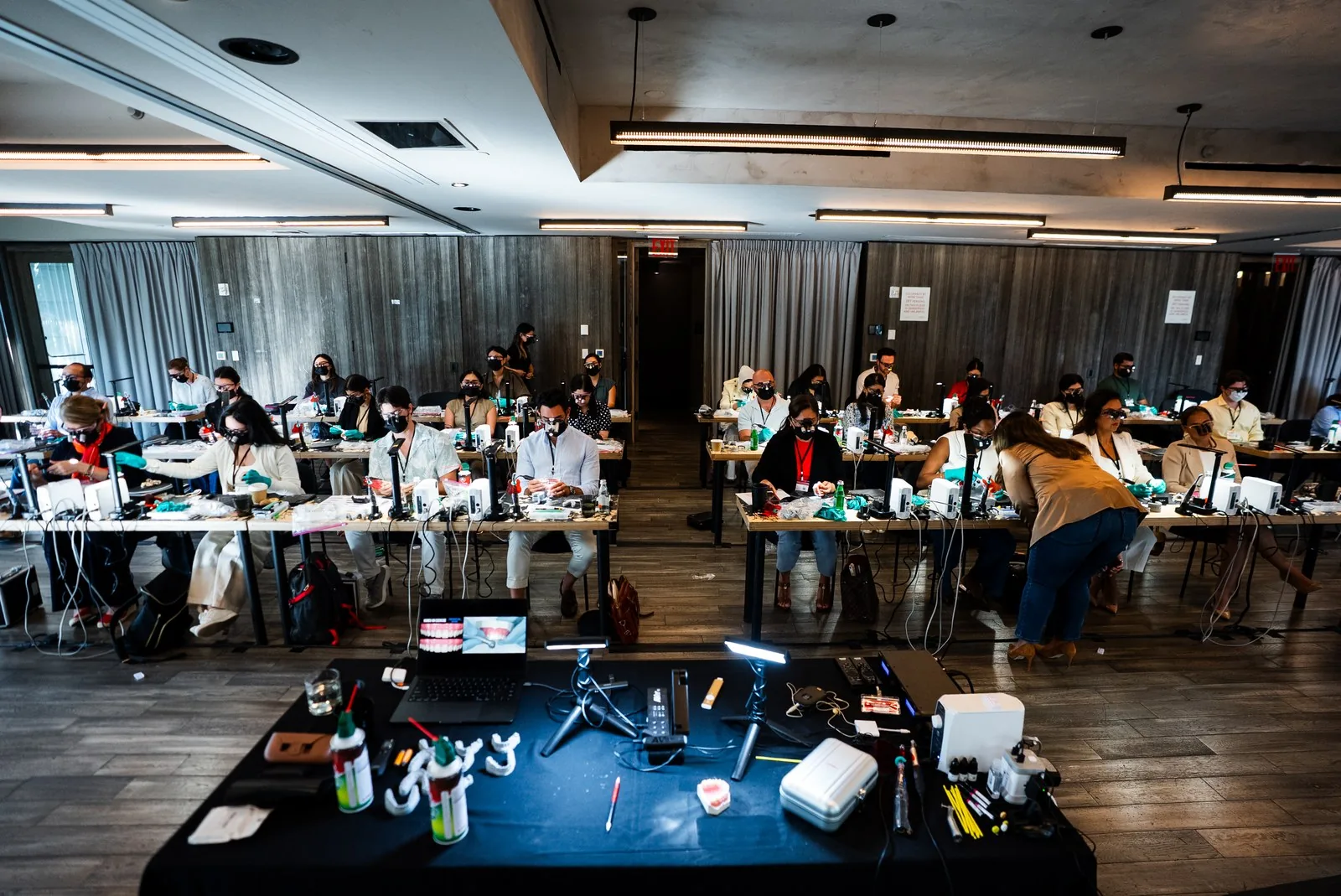
Dentists ask me which cosmetic dentistry course is the best one in the country.
My honest answer is that the best course is the one that changes what you do on Tuesday. That depends on where you are.
I have taken a lot of CE. I have also watched dentists take five courses in five years and hear the same thing over and over. One of our alumni, a dentist with practices in rural Missouri, told our room exactly that: after years of courses that repeated each other, one finally made cosmetic dentistry work in the practice the way they wanted.
So here is how I would think about building a path.
Step one: the full workflow, hands-on
If you are early in cosmetic dentistry, or you do some veneers but without a repeatable system, start with a course that covers the whole chain.
Consultation, facial analysis, mock-up, prep design, shape, temporization, photography, lab communication, cementation. In that order, with your hands.
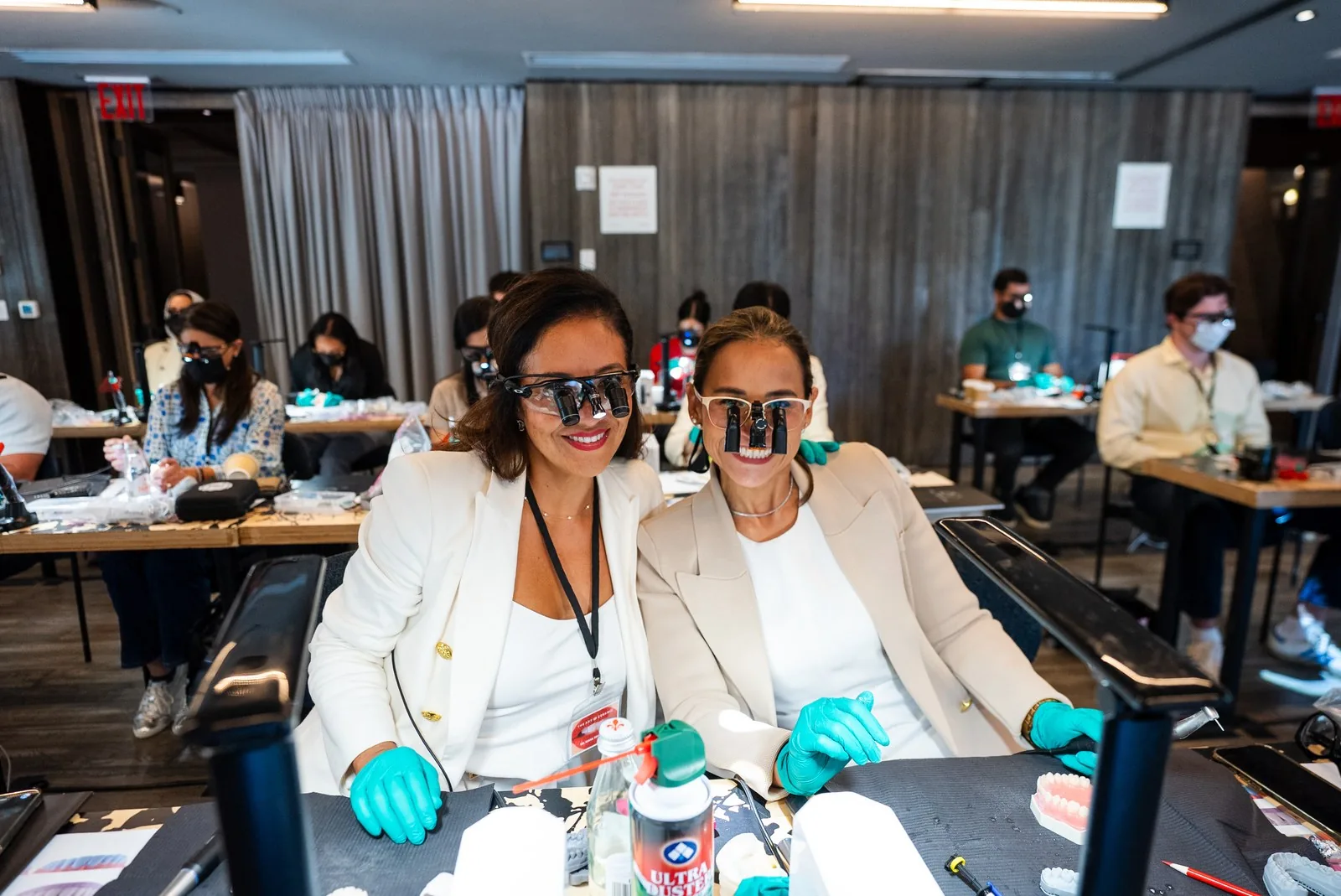
That is what Art of Ceramic is. Two days, 16 CE credits, taught by Dr. Rhodri Thomas and me, with both of us coaching at every seat. Every major section is demonstrated, then done at your own bench.
Look for that combination wherever you train: full workflow, real bench time, instructors who still treat patients.
Step two: go deeper on what you struggle with
After the first course, you will know where you are weak. For most dentists it is one of three things.
Photography and lab communication. If your lab work does not match your temporaries, this is where to focus. A camera is a non-negotiable for this kind of dentistry.
The lab side. If you want to understand what happens to your preparations after the impression, learn the model workflow. The Master Model is our online course on that, from impression to refractory die, with Mateus Dal Bello, who leads model creation at Apa Aesthetic.
The protocol in detail. Details is my online course covering my full cosmetic protocol, from the new patient workflow to cementation, so you can rewatch the steps at your own pace.
Step three: advanced live training
Once you are doing cases, the next step is not another overview. It is a smaller room, harder cases and direct feedback.
That is IGNITE, our advanced course for Art of Ceramic alumni. I teach every session myself, with live clinical demonstrations and a small group.
How to judge any course
Whatever you look at, Stribe or anyone else, ask the same questions:
- Do the instructors still treat patients?
- How much of the day is at your own bench?
- Does it cover consult to cementation, or one slice?
- Is it sponsored? We do not accept sponsorship, because I want to tell you exactly what I use without anything clouding the data.
- What do you take home? Our attendees leave with a printed manual of every protocol.
- Is it AGD PACE approved, and how many credits?
Location matters less than you think
Some dentists assume these cases only happen in big cities. Rhodri practices in a small village in Wales, and his patients are farmers and grandmothers. The impact of this dentistry is the same wherever you practice.
Pick a course for the teaching and the format. Then pick the city that is easiest to get to.
Community is part of the value
Dentistry can be a lonely career. One of the most underrated parts of a good course is the room: colleagues who care about the same details, who you can message about a case months later.
At Art of Ceramic, day one ends with a cocktail party with attendees and instructors. That is not a perk. It is where a lot of the learning continues.

Two instructors, two ways
One more thing to look for: more than one way of doing things.
When Rhodri and I first sat down to combine our workflows, we realized a lot of what we did was similar. Not all of it. In Art of Ceramic you see two ways of doing nearly everything, and you leave knowing which one fits your hands, your patients and your lab.
A course taught by a single voice can be excellent. A course that shows you the reasoning behind two approaches teaches you how to decide.
Wherever you train, keep your photographs of every case from the moment you get home. They are how you will know whether the course worked.
The takeaway
- Start with the full workflow, hands-on.
- Go deeper where your cases fall short.
- Move to advanced live training once you are doing cases.
- Judge every course on instructors, bench time, scope and sponsorship.
Related reading: how to choose a hands-on veneer course and IGNITE.
Questions, answered.
What is the best cosmetic dentistry course for general dentists?
Start with a hands-on course that covers the full veneer workflow, from consultation to cementation, taught by clinicians who still treat patients. Art of Ceramic is Stribe's two-day course for that.
Where are Art of Ceramic courses held in the US?
Current dates include Chicago at 85 East Wacker Drive and Los Angeles at 8490 Sunset Boulevard in West Hollywood. London is hosted with Art of Dentistry.
Are there online cosmetic dentistry courses?
Yes. Stribe offers Details, Dr. Andi's online cosmetic protocol, and The Master Model, an online course on the lab model workflow.
What comes after a first veneer course?
Focus on your weakest link, often photography or lab communication, then move to advanced live training. IGNITE is Stribe's advanced course for Art of Ceramic alumni, and Dr. Andi teaches every session herself.