Journal · 4 min read
Veneer Temporaries: The Test Drive Before the Porcelain
The temporaries are not a placeholder. They are the design, worn in real life, and the blueprint your ceramist should follow.
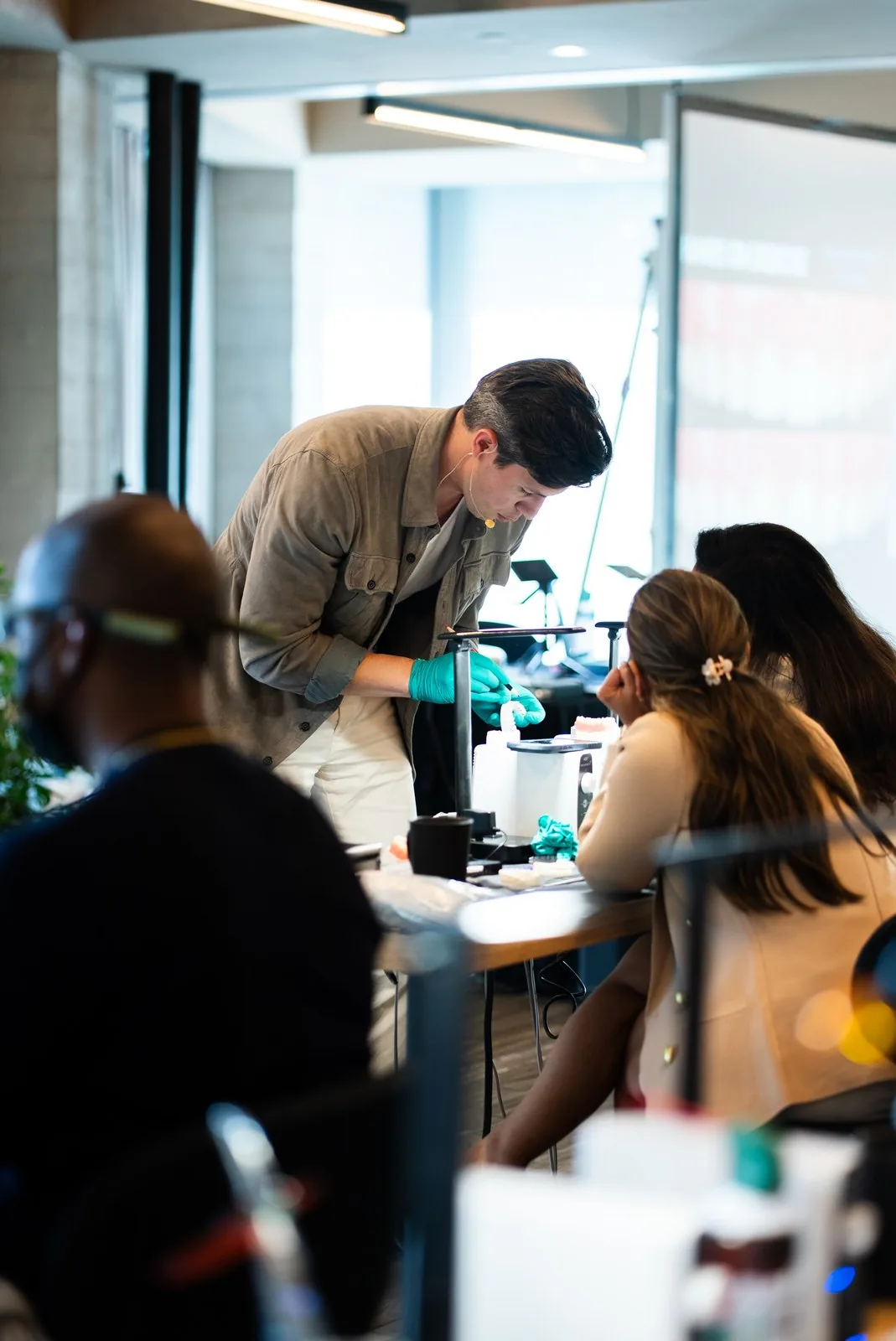
Dentists treat temporaries as the thing that gets the patient out the door.
I treat them as the most important design step in the case.
The temporaries are the test drive. The patient lives with the shape, the length and the bite for a couple of weeks while the final restorations are being made. Whatever they learn in that time, you want to know before the porcelain is built.
The test drive
Rhodri says it simply: when patients wear their temporaries and come back, it is all about shape. If we make any small adjustments and rescan, we are playing with shapes the whole time.
That is the point. The patient talks, eats, smiles at their family and looks at photographs of themselves. They come back with real feedback: a little too long, a little too white, I love it.
Every adjustment you make in the temporaries is one you do not have to make in porcelain.
They come from the design
Good temporaries do not start at the prep appointment. They start with the design.
In my workflow, the mock-up the patient approved becomes the reference. When a trial smile is used, it can be adjusted and then used as the temporary matrix. Either way, the temporaries carry forward a design the patient has already seen on their own face.
That is also why model accuracy matters. If a wax-up is built on an inaccurate model, the matrix will not seat the same way, and the temporaries will not match the design.
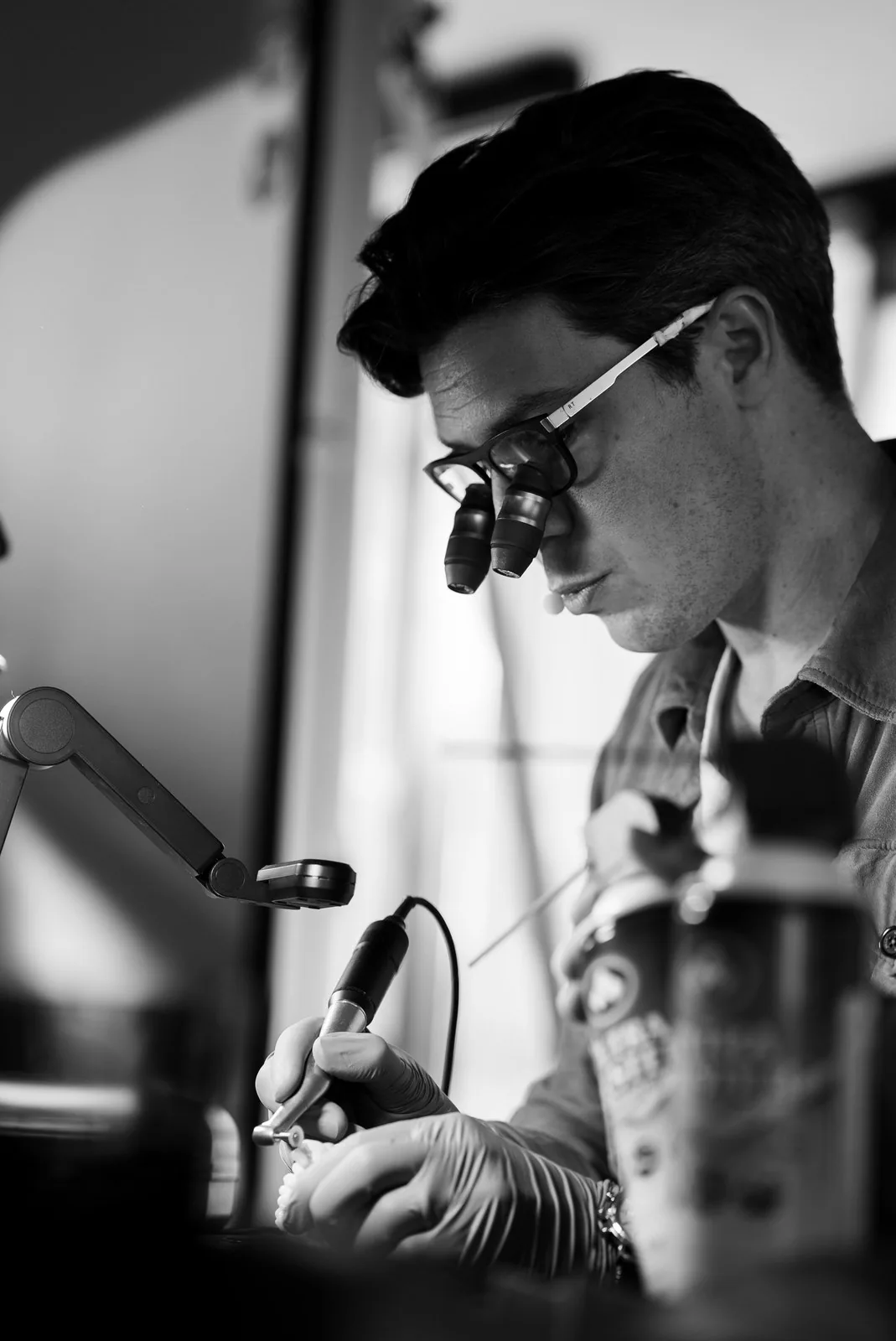
Shape them deliberately
Temporaries are where you are fully in control of shape. Use it.
Rhodri shows a case where the temporaries came back too long and too curvaceous. He tamed them: shorter, calmer, more appropriate for that patient's face. That is your job as the shape guide.
Look at the same things you will ask the ceramist for:
- Incisal edge position against the face and the lips.
- Length and proportion. Do the teeth suit the face, or do they look added on?
- Line angles and embrasures. How wide does each tooth read?
- Phonetics. Can they say their F and V sounds comfortably?
- Function. Does the bite work in protrusive and lateral movements?
Tell the patient what to expect
Temporaries are not porcelain. Patients need to know that.
They may chip. Some patients break them repeatedly. They need to keep brushing and follow the protocols you give them. Rhodri puts it to patients as a journey, not a single treatment: we are working together on what comes next.
I take that conversation seriously at the prep appointment, because a patient who understands the temporaries gives you better feedback.
Record everything
Once the temporaries are approved, they become the blueprint.
The ceramist does not see the person. Measurements, models of the temporaries, photographs of the temporaries and scans of the temporaries are how they bring the design to life.
In our workflow the lab takes an index of the temporaries, layers to that incisal position, and confirms the position with the index before the porcelain is finished. If the temporaries are not recorded, the ceramist is guessing at a design you already solved.
When they keep breaking
If a patient keeps breaking temporaries, that is information.
It can mean the length is wrong, or the bite is not working the way you planned. It can be a sign the final porcelain will chip in the same place. Before you remake them again, check the function.
Temporaries when the bite changes
Some cases change the bite on purpose, opening the vertical dimension so there is room for the restorations.
Rhodri says increasing the vertical is one of the easiest things restoratively, because you are mostly adding: polish anything sharp, take an impression and build on top. The temporaries are where the patient tests that new bite.
In many bite-opening cases, I leave the last molars untouched and let them come back into contact over time. It gives me a reference point of untouched teeth that I can monitor at review. A night guard made at the end protects the result.
Watch how the patient adapts in the temporaries. If something feels wrong to them, it will feel wrong in porcelain too.
Photograph them at every visit
Take the same photo series of the temporaries that you took of the natural teeth: full face, smile, retracted, and close-ups.
Those photographs do two jobs. They show the ceramist the approved design in the face. And they give you a record of every adjustment, so if the patient asks why the final is a little shorter than the first temporaries, you can show them the visit where they asked for it.
The takeaway
- Temporaries are the design, worn in real life.
- Build them from the approved mock-up.
- Refine shape while it is still easy.
- Record them fully for the lab.
- Listen when they break.
Related reading: veneer cementation and writing a veneer lab prescription.
Questions, answered.
How long do patients wear veneer temporaries?
Typically a couple of weeks while the final porcelain is made, long enough to test shape, length, phonetics and function in daily life.
Why are veneer temporaries important?
They let the patient test the design before porcelain is made, and once approved they become the blueprint the ceramist copies.
What should I send the lab from the temporaries?
Photographs, scans and models of the approved temporaries, plus measurements and notes on any changes the patient asked for.
What does it mean if temporaries keep breaking?
It may signal a length or occlusion problem. Check function before remaking them, because the final porcelain may fail in the same place.