Journal · 4 min read
Cosmetic Case Acceptance: The Consultation Is an Interview
Case acceptance does not start when you present the plan. It starts on the phone, and most of it happens before you walk into the room.
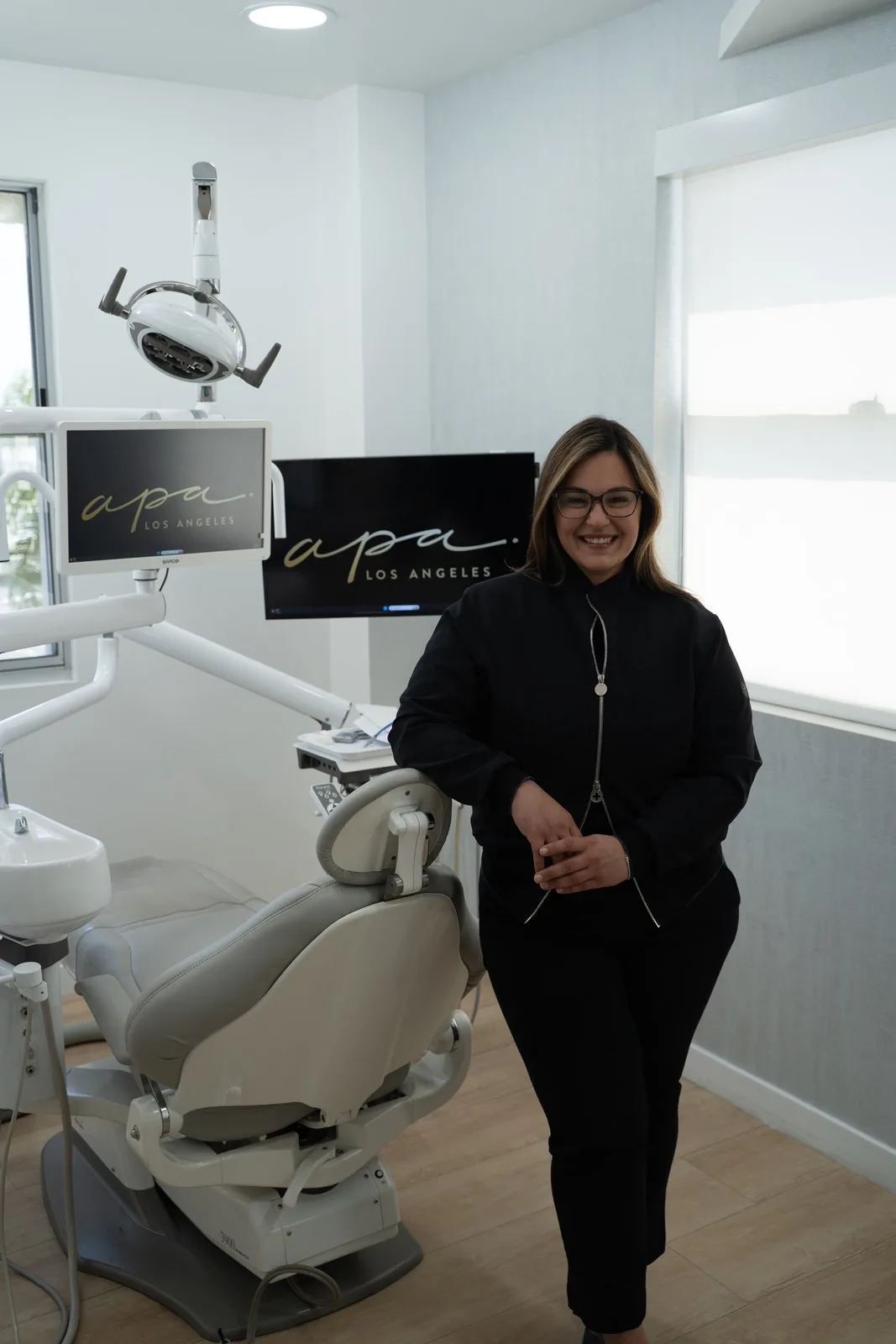
I always say the consultation is like an interview.
I am interviewing the patient. Are we the right fit for each other? Are you going to give me gray hairs? And they are interviewing me.
Here is what most dentists miss about case acceptance in cosmetic dentistry. It is almost all decided before you present the plan.
It starts on the phone
When a patient calls our office, it is not "dental office." It is the treatment coordinator by name, with a role, asking how she can help.
That call is a real skill. It is almost sales, not dentistry. We need to know what is going on in the patient's life. Is there a big event? Is there a timeline? Do they have a budget in mind, or do they know what we cost? I do not want to bring someone in who is going to be shocked.
Your team is as important as you are. They are a reflection of you.
The first visit is a show
When the patient arrives, they are greeted and offered something to drink. Usually the same coordinator they spoke to on the phone walks them to the consultation room.
That room has a screen that plays a video of ceramic being layered, because that is what we do and we are excited about the artistry behind the dentistry. We walk them by our lab and tell them this is where we make the teeth.
Then we take records: X-rays, photographs, scans. It is a show, and it is intentional.
Let them diagnose themselves
While we take records, three photographs sit on the screen next to the chair: a full face smile, a close-up smile and a retracted view.
We want patients to look at their own mouth and ask what they are seeing. By the time I walk in, they often know what they want to change.
Rhodri tells the same story. A patient comes in to fix two teeth. He puts a macro photograph on the TV, and she says, everything is yellow. Now the conversation is about her whole smile, and she started it.
Bring the decision maker
If a spouse or partner is part of the decision, they should be in the room.
If the patient goes home and repeats a number without having seen the photographs or the mock-up, the answer will be: that is a lot of money. They were not in the appointment. They did not see the value.
The mock-up and the pause
Then I do a direct mock-up, chairside, and take a full face photo of it. It goes up next to the initial photo.
And I stop talking. The first person to talk loses.
Their reaction tells you almost everything. If they see the change, you are aligned. If the result is transformative to you and they cannot see it, that patient will be difficult, and you should know that before you start.
Words matter
We do not think words matter much. They matter enormously.
When a patient says natural is really important to them, respond with exactly that: I get it, natural is really important to you. They feel heard.
A lot of my patients are women who have spent years taking care of everyone else. Sometimes you have to be the positive reinforcement. You have taken care of your family. What about you? This is for you, and that is okay.
And at the end of the day, you are the expert. You lead.
The cases you agree to are the cases that find you
Rhodri has a line I love: the cases you agree to do are the cases that will find you.
If you agree to a very fake, unnatural look because a patient insists, more of those patients will come. Choose the work you want to be known for.
Name the cost of waiting
Rhodri frames this well. Patients need to know the cost of not going ahead.
If a problem is small now, intercepting it is often simpler than waiting. Leave it, and in ten years it can become a far more complicated case. Not going ahead can be a false economy.
He also frames treatment as a journey, not a single procedure. Can we work together on what comes next? Will you follow the protocols during the temporaries? That conversation sets expectations before anyone signs anything.
The takeaway
- Train the phone call. Timeline, event, budget.
- Make the first visit intentional, from the welcome to the records.
- Put their photos on a screen and let them self-diagnose.
- Mock it up, show it, and stay quiet.
- Say yes to the cases you want more of.
Related reading: the direct mock-up and smile design photography.
Questions, answered.
How can I improve cosmetic case acceptance?
Start before the visit: a trained phone call that learns the patient's goals, timeline and budget, then a deliberate first visit with records shown on screen and a direct mock-up the patient can see.
Why show patients their photographs during records?
Patients who see their own smile on a screen often identify what they want to change, which makes the treatment conversation theirs rather than a sales pitch.
Should the spouse attend a cosmetic consultation?
If they are part of the decision, yes. Decision makers who did not see the photographs or mock-up are less likely to see the value of treatment.
What is the role of a mock-up in case acceptance?
It lets the patient see the proposed result on their own face. Their first reaction to the mock-up photo shows whether your vision and theirs align.