Journal · 2 min read
What a Light Bouncer Does in Dental Photography
Same camera, same flash. A small piece of shaped plastic changes the whole quality of the light.
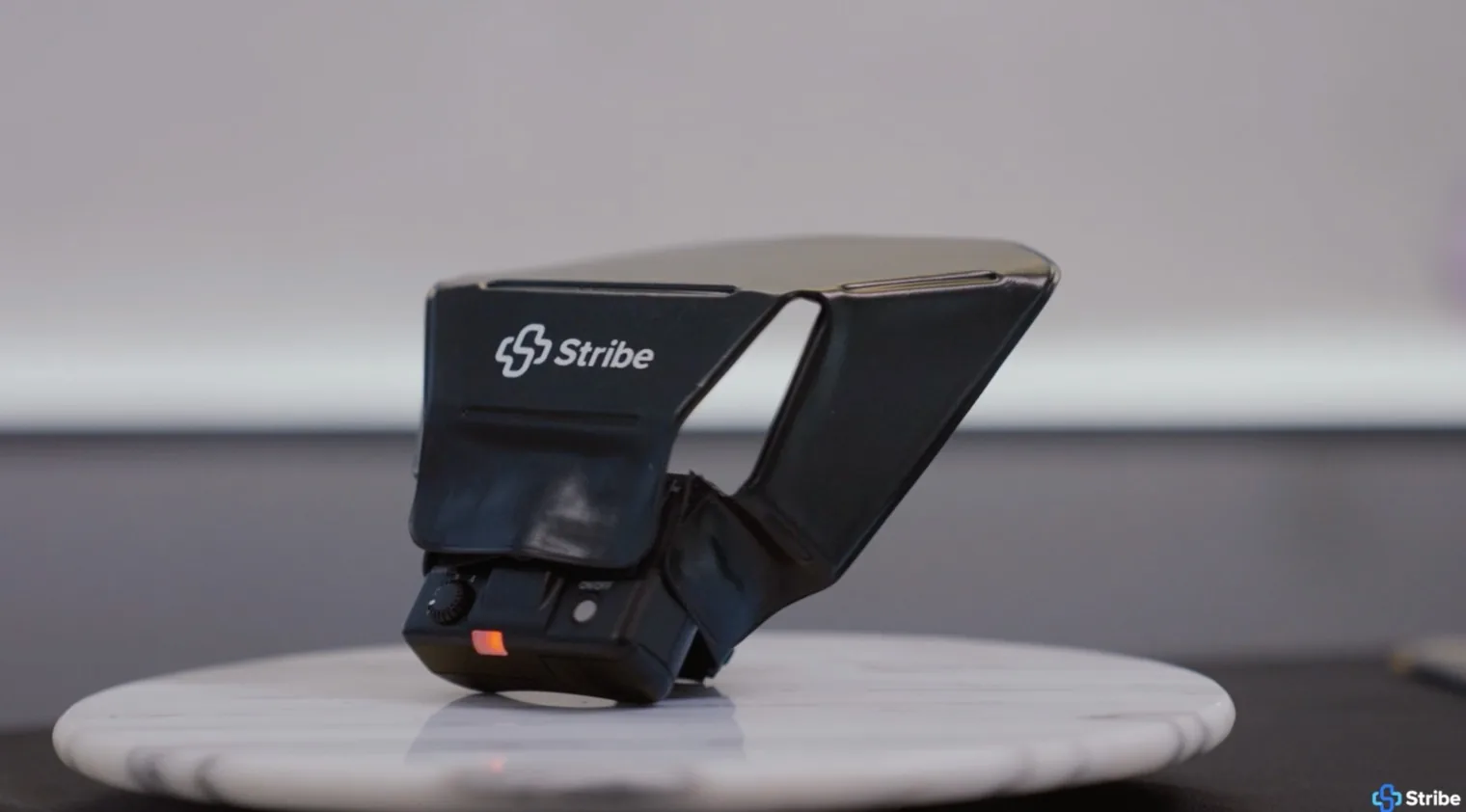
A light bouncer is one of the smallest things you can add to a dental camera. It changes more than its size suggests.
If your photos look harsh, flat or shiny in the wrong places, the problem is often not the camera. It is the light.
What a light bouncer does
A bouncer is a light modifier that sits in front of your flash. Instead of the flash hitting the teeth directly, the light reflects off the bouncer and reaches the subject softer and more spread out.
The result is softer shadows, lower overall contrast and more even light across the smile.
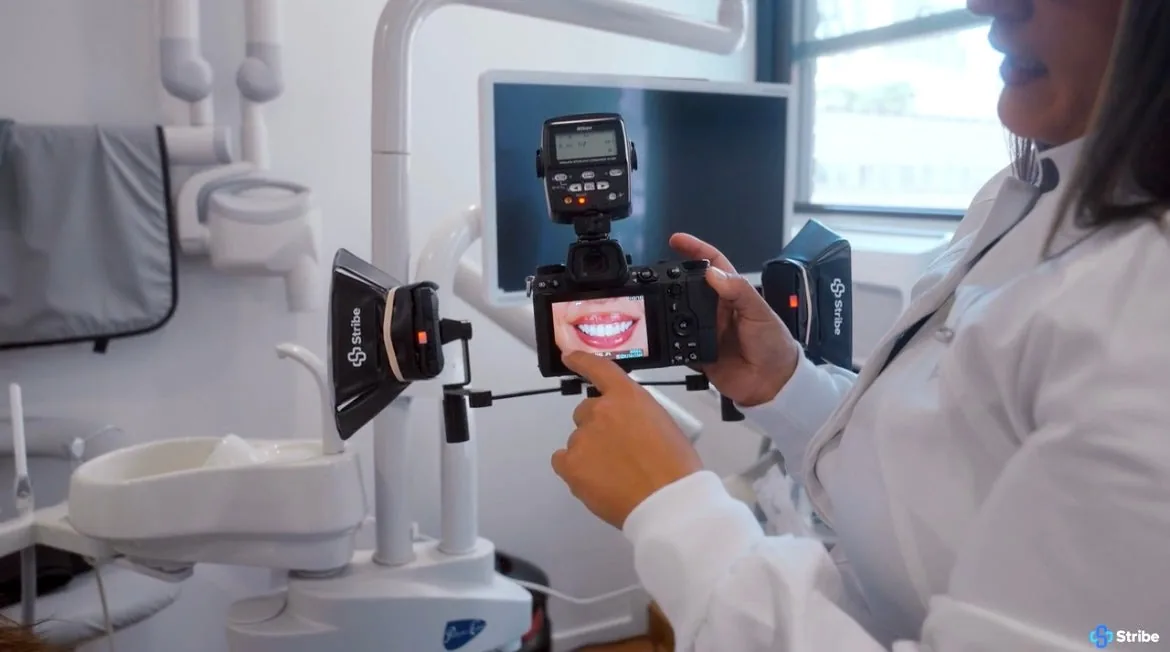
When to reach for one
Start with the basics. In my 2020 paper in the Journal of Cosmetic Dentistry, light modifiers sit in the advanced stage: once you can operate your camera and keep a consistent photography routine in your office.
From there, we suggested investing in some light modifiers and experimenting with how a bouncer or an adjustable bracket lets you create dramatic, altered lighting effects.
Twin flash first
A bouncer works with the light you already have, so the flash matters first. For cosmetic work, use a twin flash. Lighting the teeth from the sides shows texture and translucency, and bouncers then soften that light further.
One rule: keep it consistent
Experiment freely, then standardize. If a bouncer changes how a case looks, use it on the before and the after alike, so your photos stay comparable. My dental photography settings are the place to start.
Questions, answered.
What is a light bouncer in dental photography?
A light modifier attached to the flash. It reflects and redirects the light so it reaches the teeth softer, with fewer harsh shadows and less contrast.
Do I need a light bouncer for dental photography?
Not at the start. Dr. Andi-Jean Miro places light modifiers at the advanced stage, after you are comfortable with your camera and a consistent routine.
Can I use a bouncer with a ring flash?
For cosmetic work, a twin flash is recommended, and bouncers soften that side lighting further.
Will a bouncer change my standardized photos?
It changes the quality of the light, so use it the same way on before and after photos to keep them comparable.