Journal · 2 min read
What It Takes to Master Dental Photography
Mastery is not one stunning photo. It is the same photo, every time, on every patient.
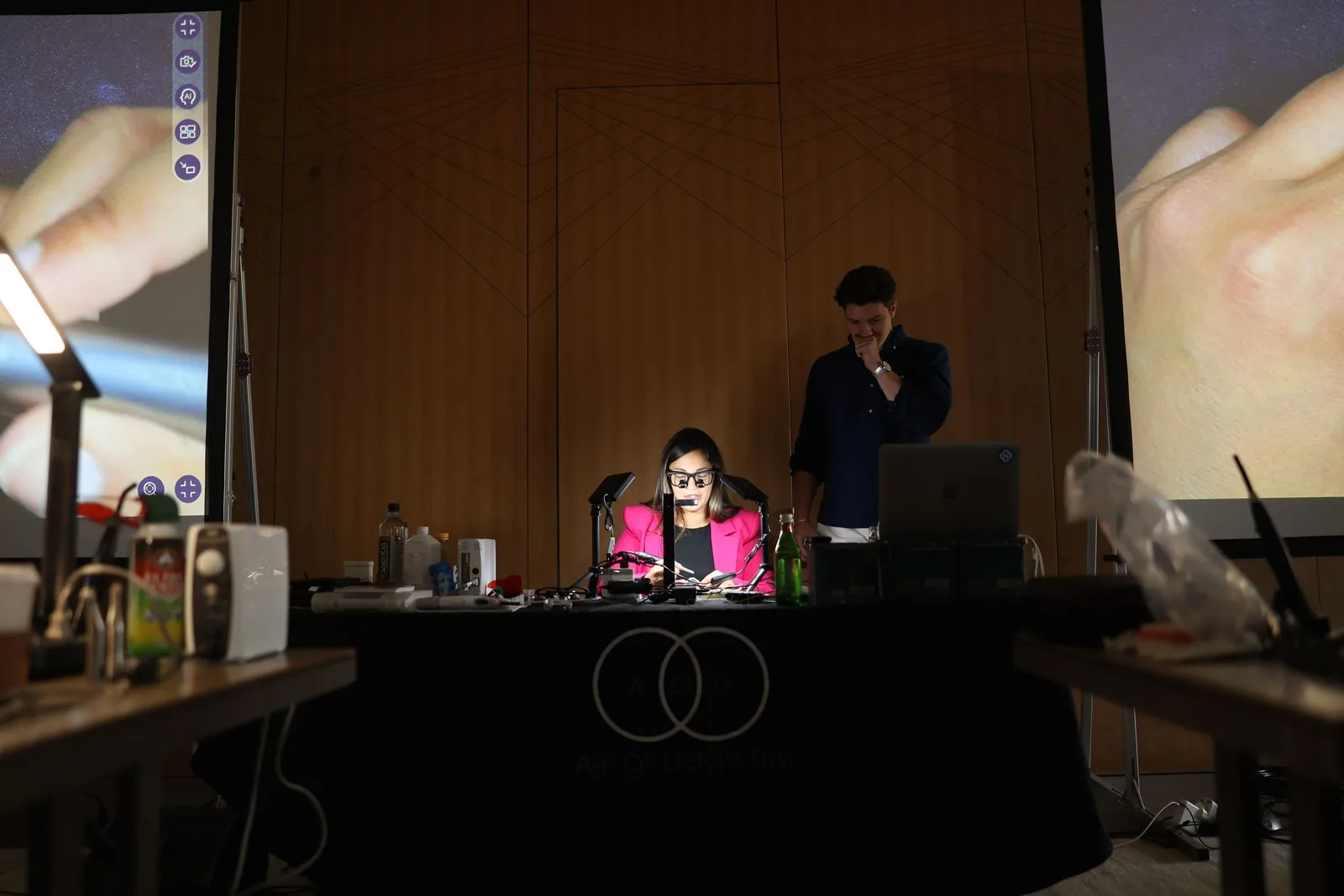
Anyone can take one great dental photo. To master dental photography is to take the same great photo every time.
That is the point of the whole system. A before and an after only mean something if they were taken the same way.
Same distance, every time
In my 2020 paper in the Journal of Cosmetic Dentistry, we built everything on standardization: a fixed macro lens, so you keep a consistent distance from the patient, the light and the position.
Set the ratio for the view you want, then move your body in and out until it comes into focus. Don't zoom. That is how photos become repeatable.
Same views, same light
Choose your set of views and take them in the same order on every case. When the routine is fixed, any change you see in the photos is a change in the patient, not in your technique.
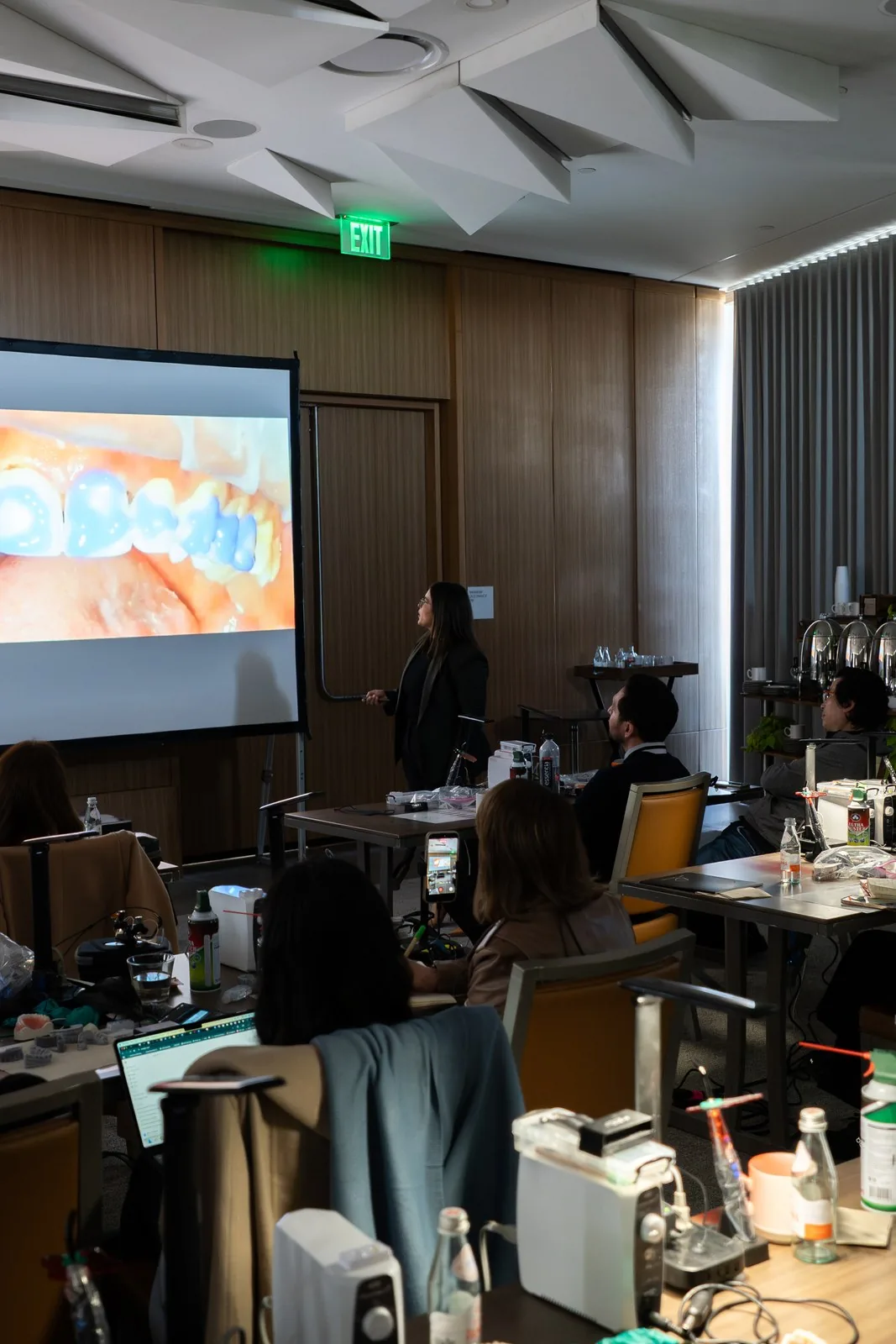
Evaluate every set
The paper's advice for the intermediate stage is not to get complacent. Look at each set and ask: is the angle right? Is the exposure consistent? Are there shadows?
Those are issues we all face. They are corrected with small adjustments and practice.
Let the camera teach you
Dr. Rhodri Thomas told our Art of Ceramic group that your camera is the greatest teacher of all, and that you can learn more from your own photography than from most courses. A magnified, consistent photo shows you your own work honestly.
That is what mastery gives you: not prettier pictures, but a clearer view of your dentistry. My dental photography settings are the starting point.
Questions, answered.
How do you master dental photography?
Standardize everything: the same distance, views, light and settings on every case. Then evaluate each set for angle, exposure and shadows, and adjust.
Why use a fixed macro lens for dental photography?
A fixed lens means you move instead of zooming, so you keep a consistent distance and your photos stay comparable from visit to visit.
What are common dental photography mistakes?
Inconsistent angles, inconsistent exposure and unwanted shadows. Dr. Andi-Jean Miro notes these are issues every dentist faces and that they improve with small adjustments.
How long does it take to master dental photography?
Dr. Andi-Jean Miro describes becoming a dental photographer as a lifelong journey, built on consistent practice and self-evaluation.