Journal · 2 min read
Why Patients Need to Feel a Smile Design, Not Just See It
A design on a screen is information. A design in the mouth is an experience.
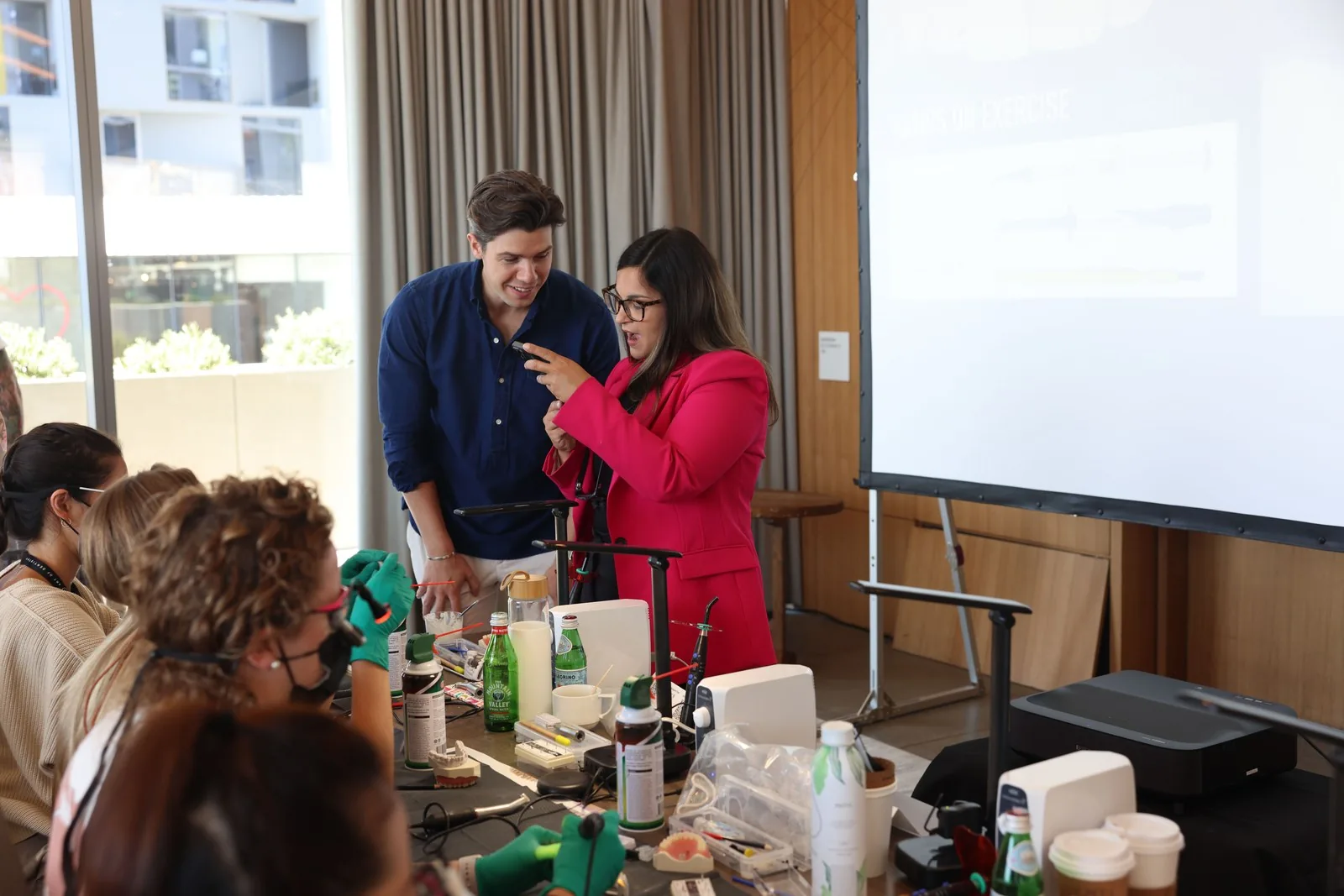
You can show a patient a beautiful smile design on a monitor and watch them nod politely.
Then you put a rough version in their mouth, hand them a mirror, and watch their face change.
That difference is the whole idea of this post.
Seeing is not the same as feeling
When a patient only sees a design on a computer, they have never experienced it. When it is in their mouth, they really understand what you are trying to achieve.
What you are building in that moment is an emotional attachment to the result. It is hard to form one with a picture.
"It will look better" means very little
Dr. Rhodri Thomas made this point at Art of Ceramic. Tell a patient it will look better, then tell them the cost and the timeline, and the words don't carry much weight. You have to show them in some way.
Rod's view is that in the mouth is the best way.
Let them step back
A rough preview is still a sketch. Rod's advice is not to hand the patient a close-up mirror. Let them look from further away, so they judge how it changes their face, not the bubbles in a draft.
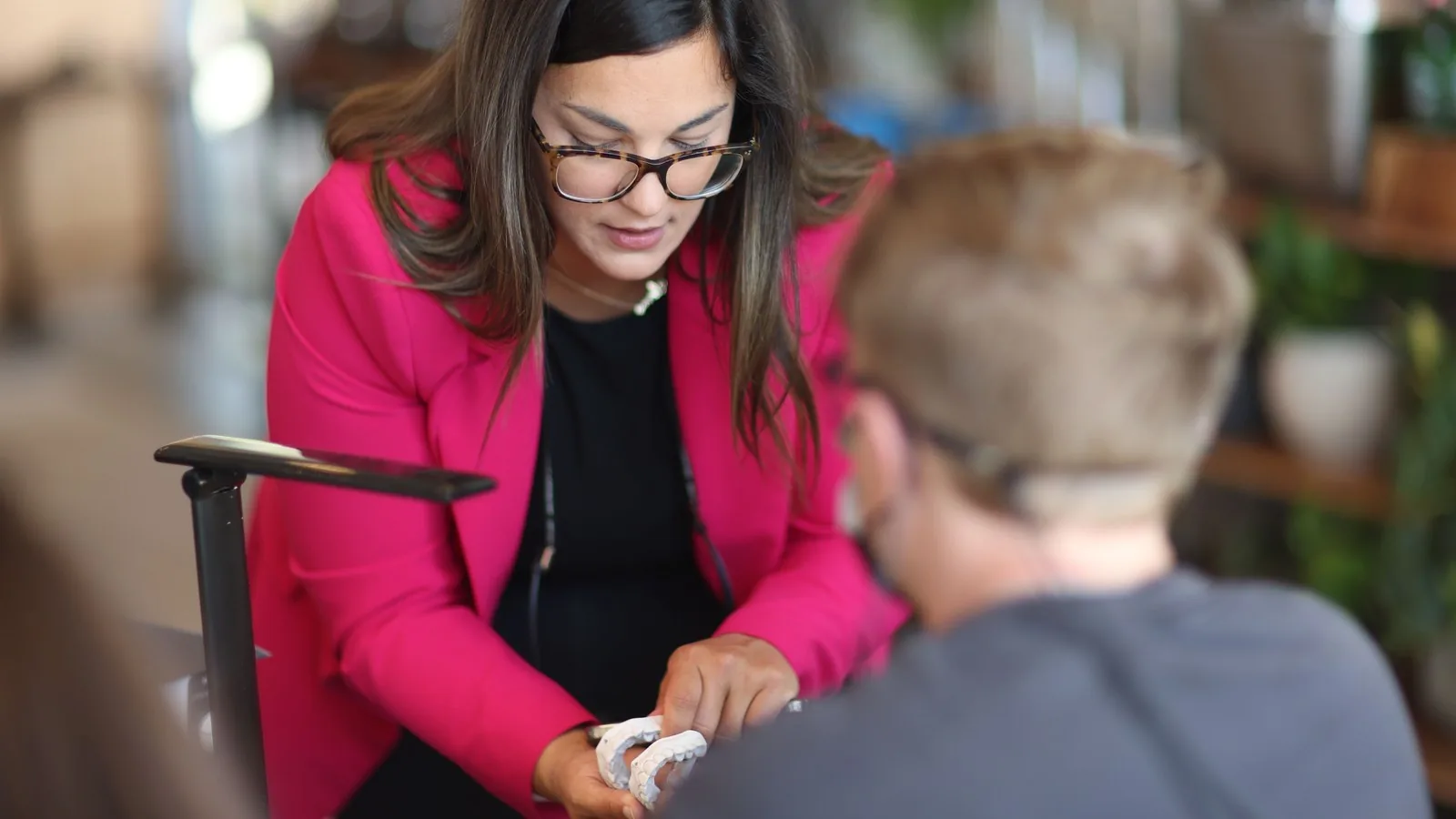
Why this matters to your practice
A patient who has felt the design believes in it. A patient who has only seen it has to trust you more. Both can say yes, but only one of them is already attached to the result.
How and when to preview a design depends on the case, and that is a hands-on skill. The principle is simple: give the patient something to feel. For more on what to look for in training, see how to choose a hands-on veneer course.
Questions, answered.
Why should patients feel a smile design instead of seeing it on a screen?
Because a design in the mouth is an experience. It builds an emotional attachment to the result in a way a digital image rarely does.
Is digital smile design enough to show patients?
It is a useful planning tool, but many patients don't connect with a design until they experience it on their own face.
How should a patient look at a smile preview?
From a normal distance, in a larger mirror, so they judge the change to their face rather than small imperfections in a draft.
Where can dentists learn to preview smile designs hands-on?
Art of Ceramic, a two-day hands-on course with Dr. Andi-Jean Miro and Dr. Rhodri Thomas, covers smile design and mock-ups in practice.