Journal · 2 min read
Building a Dental Photography Kit: What to Buy First
A dental camera is a system, not a product. Buy the parts in the right order and the photos follow.
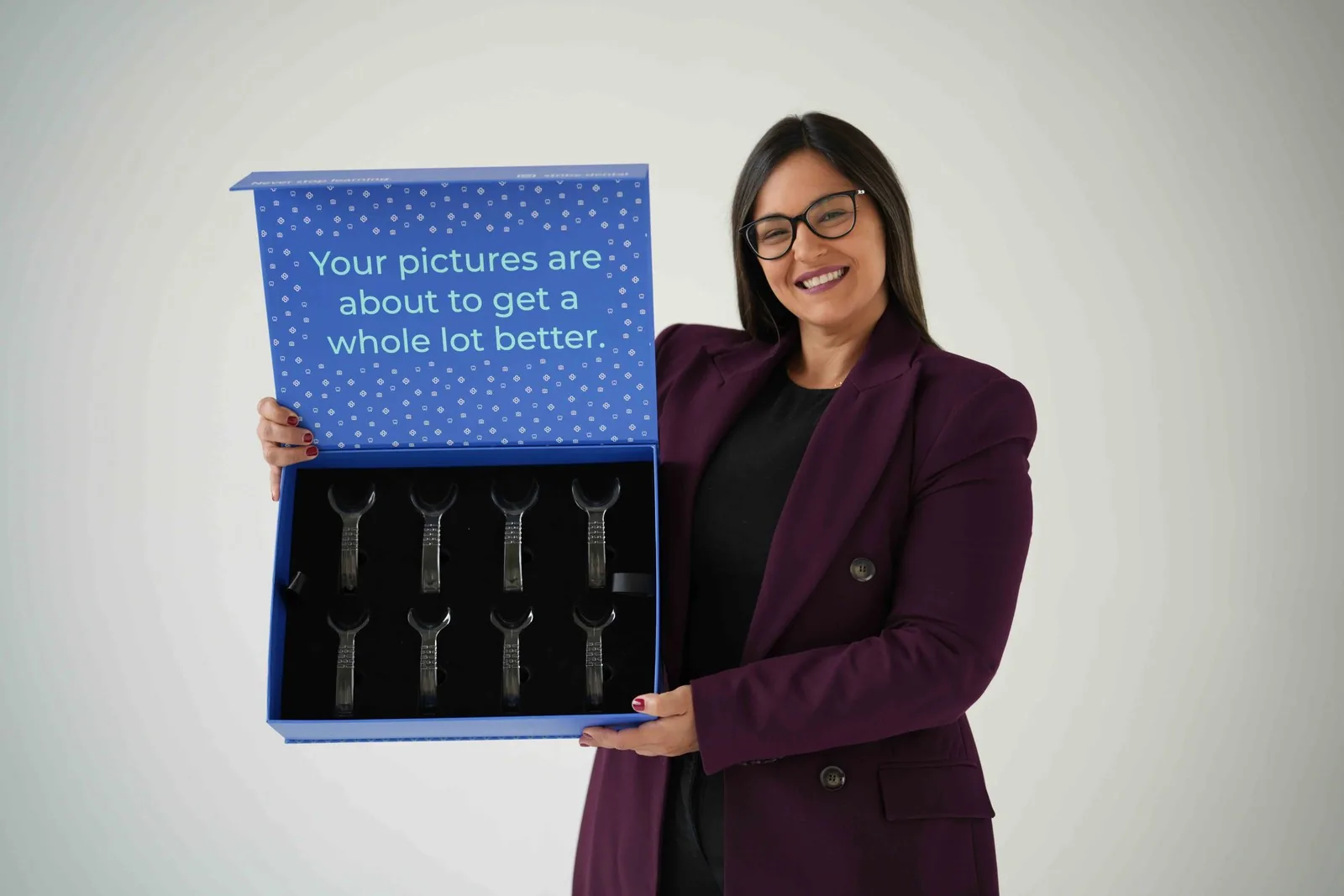
Building a dental photography kit can feel like a shopping problem. It is really an order-of-operations problem.
The camera is a system: lens, light, body and a few small tools. They do not all deserve the same share of your budget, and they do not all come first. (For the settings I use, see my dental photography settings and setup.)
Lens first
In my 2020 paper in the Journal of Cosmetic Dentistry, we called the lens the camera's eye and the most important investment in the system.
Make it a fixed macro lens. Macro keeps the detail in a dark, wet space. Fixed means you move instead of zooming, so your photos stay standardized from visit to visit. And a good lens moves with you when you upgrade the body later.
Then the light
Dr. Rhodri Thomas did not soften this at Art of Ceramic: if you have a ring flash, put it in the bin. For cosmetic work, get a twin flash. Lighting the teeth from the sides shows texture and translucency that a ring flash flattens.
The body comes third
This is where most dentists want to spend first. Start more affordable and upgrade once you are comfortable. Brand matters less than you think: Rod uses Canon, I use Nikon. Just remember lenses and flashes do not cross between brands.
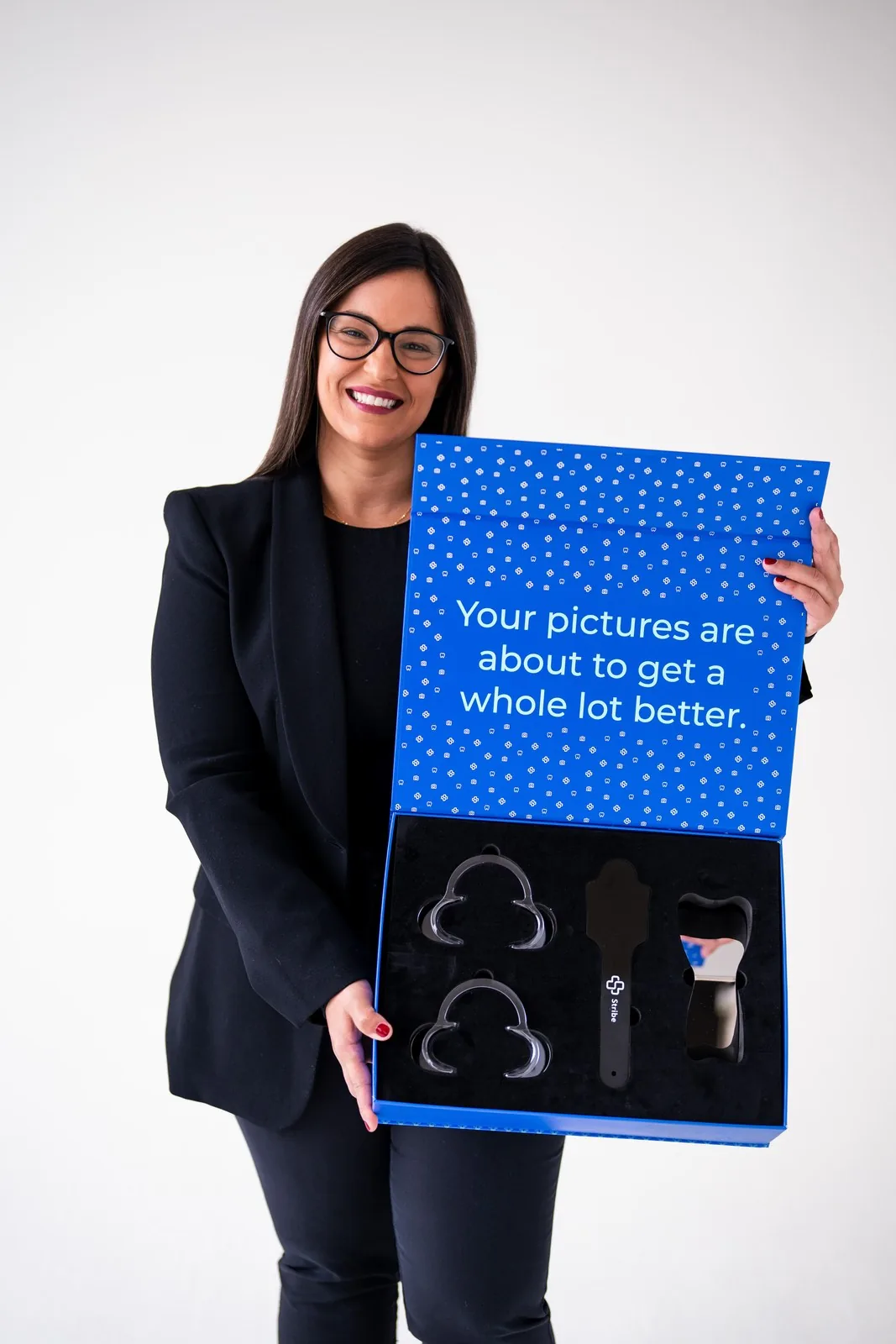
Then the small tools
Retractors in more than one size. A contrastor for the lab. Mirrors once the basic views are routine.
Buy in the right order. Then practice until the photos look the same every time.
Questions, answered.
What should I buy first for dental photography?
A fixed macro lens. It is the most important investment and stays with you when you upgrade the camera body.
Is a ring flash or twin flash better for dental photos?
For cosmetic work, a twin flash. It lights the teeth from the sides and shows more texture and translucency.
Does the camera brand matter for dental photography?
Less than the lens and light. Dr. Rhodri Thomas uses Canon and Dr. Andi-Jean Miro uses Nikon. Choose one system, since lenses and flashes are not interchangeable.
What else goes in a dental photography kit?
Retractors in more than one size, a contrastor, and mirrors once the basic views are routine.